Could Ending California's EV Carpool Lane Stickers Be a Good Thing?

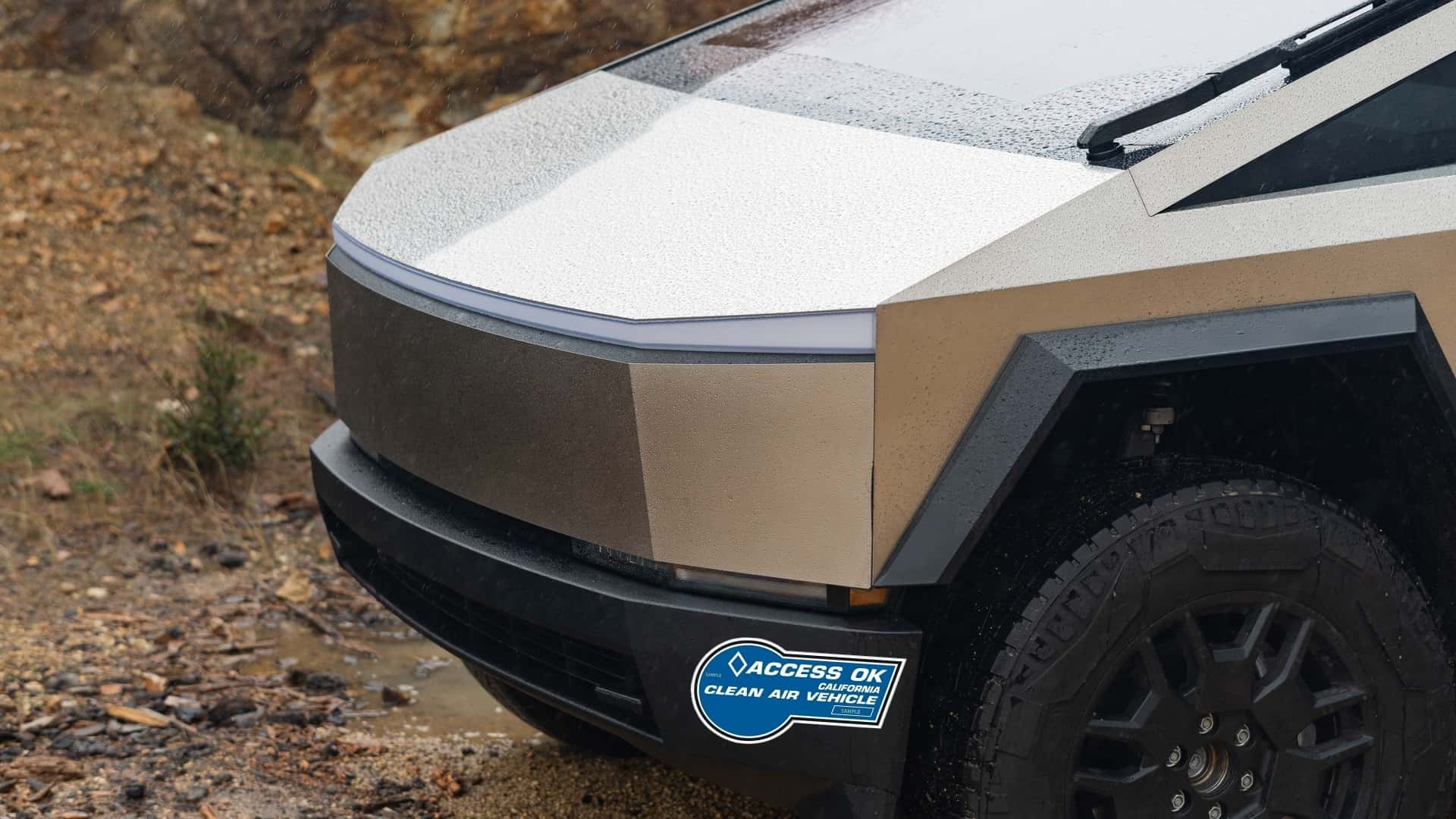
EV owners might lose their unrestricted access to the carpool lane starting from September. This could ultimately turn out to be beneficial.
- In California, electric vehicles (EVs) and zero-emission vehicles can use the carpool lane regardless of whether they have a single occupant or not.
- The federal legislation permitting solo drivers to utilize high-occupancy vehicle lanes under specific conditions is scheduled to lapse in September.
- If the expiration occurs, the carpool lanes might revert to their initial, more effective role: promoting carpooling. This is a simple and economical method for decreasing your carbon emissions.
California’s electric vehicle owners have traditionally benefited from a significant advantage: They could use the state's high-occupancy vehicle (HOV) lanes, often called carpool lanes, regardless of whether they were traveling solo. This privilege applied to drivers with eligible clean-air vehicles, which encompass those powered by hydrogen as well. However, the lapse of a federal statute last September might signal an end to this benefit. Personally, I believe this change is for the better.
Federal laws govern interstates, and one law allows states to give access to certain single-occupant vehicles. That's what allows California to offer unrestricted access to clean-air vehicles, and Automotive News indicates that it is scheduled to end in September. There seems to be minimal interest in extending it in Washington, considering various factors. everything .
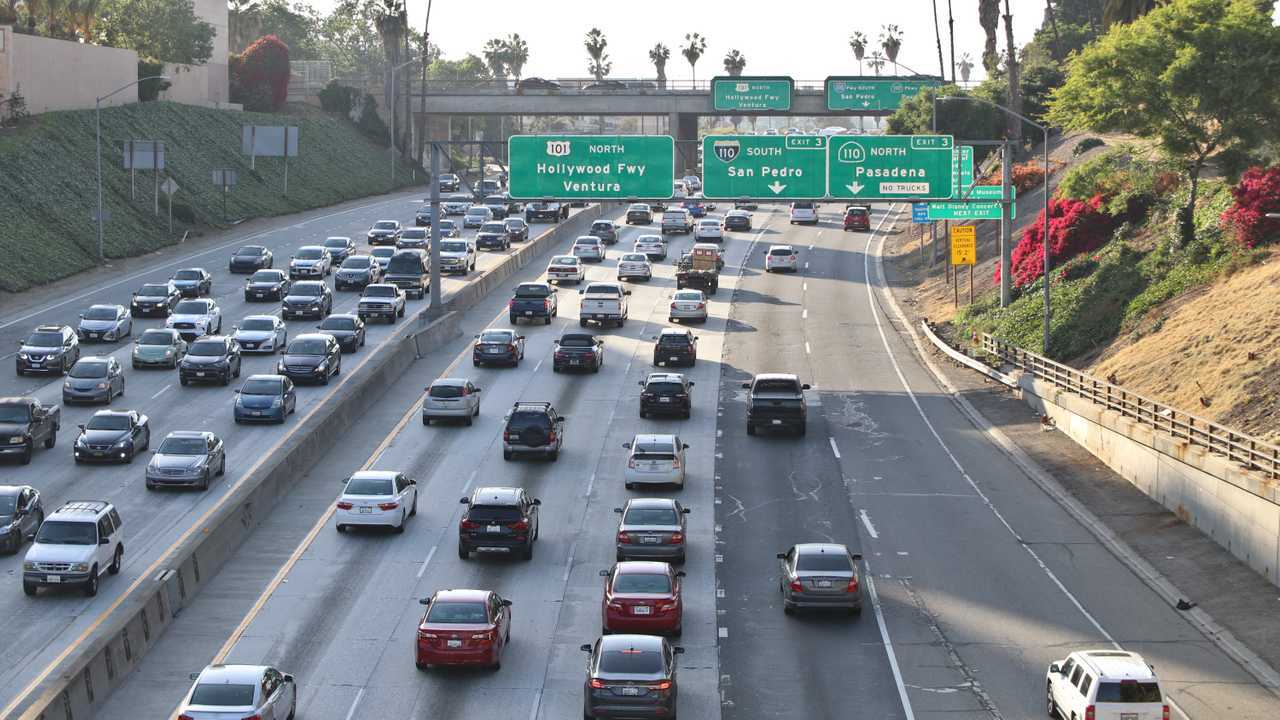
California’s extensive freeways continue to be congested with traffic. High-occupancy vehicle lanes represent a sensible approach to this problem; however, these lanes become ineffective if up to 25% of vehicles can use them at will.
Environmentally aware individuals concerned with the progress of electric vehicles might view this development as an additional setback. However, let me present an alternative perspective. This incentive program aimed at boosting the uptake of electric vehicles; indeed, it proved successful. Although higher gasoline costs, stringent CARB emission standards, substantial state-based incentives, and a generally eco-friendly populace may be more significant contributors, such benefits have played their part in establishing California as the leading U.S. market for electric vehicles.
Nowadays, that market has become more sophisticated. A quarter of all new cars sold in California last year were zero-emission vehicles. That's mainly due to the $7,500 federal tax credit, which I continue to endorse completely. However, the carpool lane access doesn’t seem logical anymore. As stated by John Swanton from the California Air Resources Board, currently, there are around 519,000 active stickers in California. told The San Fransisco Chronicle Earlier this year, "Given that over 2 million vehicles have been sold in the state, it appears that access to decals isn't a major factor influencing buying choices."
Currently, it isn’t very evident that this is a significant motivator for Californians to switch to electric vehicles. Nevertheless, the downside of this approach is that it renders the tool much less effective for everybody else and diminishes its ability to address the issue it aimed to resolve.
California faces extensive traffic challenges, which result in significant negative impacts. These issues not only consume valuable time but also reduce the efficiency of internal combustion engine (ICE) vehicles, thereby escalating pollution levels. Given that frequent low-speed movements characteristic of urban gridlock generate higher amounts of smog, this exacerbates persistent air-quality concerns across much of the state.
While driving electric vehicles (EVs) can mitigate certain challenges, they do not address the economic difficulties associated with congested urban areas. They also fail to resolve the spatial planning concerns that arise from needing extensive parking spaces and supporting infrastructures. Additionally, regardless of an individual vehicle’s emissions-free status, its existence still contributes to overall traffic slowdowns for delivery lorries, conventional cars, and all road users alike. Each automobile amplifies the congestion caused by others, leading to cumulative effects.
Many years back, California identified the genuine answer. The sole method to decrease traffic congestion is by lowering the count of individuals commuting daily. Large electric vehicles cannot achieve this objective. However, carpooling can. This approach serves as a practical tool that proves much more economical and readily available for most people compared to purchasing an entirely new electric vehicle.
For this system to succeed, it requires multiple appealing incentives. While reducing my gasoline expenses by half for commuting sounds great, it doesn’t compare with my preference for sleeping at will, playing my preferred tunes, and enjoying a carefree trip free from concerns about others. Our upbringing in an individualist culture has instilled a strong affinity for personal space within these large metallic cocoons of solitude.
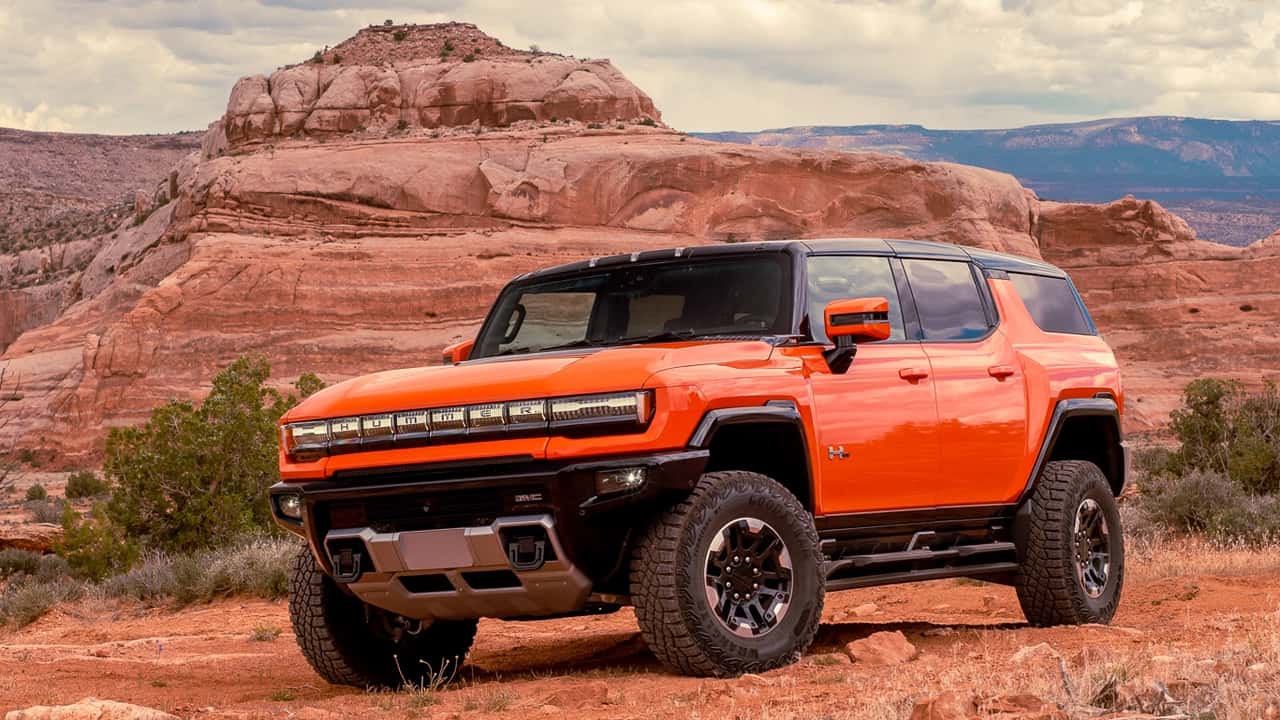
This entitles you to a carpool lane access sticker. A standard Prius does not qualify for this.
However, if carpooling reduced the time stuck in traffic by half, you’d think about it, wouldn’t you? I certainly would. This way, you’re providing me with both time and money, even though there’s a slight inconvenience involved.
This is a sound deal. However, the underlying problem is that it assumes carpool lanes will be quicker. This isn’t always accurate; often, these lanes are just as congested, particularly when filled with Teslas and Mach-Es carrying only one person each.
Typically, the carpool lane consists of either one or two lanes, as opposed to the usual four or more lanes designated for regular traffic. If every fourth new vehicle automatically gains entry into these lanes, along with additional vehicles from carpoolers, then even dedicating two out of six total lanes to carpools won’t significantly reduce congestion. Without allocating more than a quarter of all highway lanes specifically for carpool use across most regions, the presence of numerous eligible vehicles negates any noticeable advantage.
It should also be mentioned that removing electric vehicles from the carpool lanes does not ensure a resolution for all these traffic congestion problems. research from UC Berkeley discovered that after hybrids were removed from California's carpool lanes in 2011, the average speed within these lanes indeed fell .
The research indicated that since carpool lanes operate next to regular lanes, increased congestion in the standard lanes can slow down vehicles in the neighboring carpool lanes. Driving at 50 mph when the surrounding traffic is moving at just 10 mph isn’t feasible. Although California has introduced additional barriers between certain carpool lanes and restricted merge points, this issue might continue to hinder the effectiveness of carpool lanes in providing significantly higher speed travel.
This leaves us with just two suboptimal choices. You could convert them into regular lanes, thus abandoning the notion that priority lanes can realistically offer significantly quicker travel. For example, one study revealed that even as carpool lanes increased, the actual number of people carpooling continued to decline. Perhaps we should abandon it.
Another approach could involve decreasing the number of vehicles allowed in carpool lanes to encourage more effective commuting habits. You cannot deny carpool access entirely; after all, those lanes serve their purpose well. However, you might withdraw special privileges from solo drivers merely because they operate electric vehicles (EVs) or fuel cell electric vehicles (FCEVs). Therefore, should this regulation not extend further, and carpool lanes revert strictly to multi-occupant use, it would indeed benefit both environmental health and state objectives overall.
I prefer the sight of four individuals sharing a commute in a Camry over a single person traveling solo in a Cybertruck.
Contact the author: Mack.hogan@insideevs.com .
Related Stories
- Why A Surge In Jobs Might Not Rescue The EV Tax Credit
- Trump Has Radically Disrupted the Electric Vehicle Industry Like This.
- Two New Bills Aim to Eliminate the EV Tax Credit and Impose a $1,000 Tax on Electric Vehicle Purchases
- Auto Manufacturers Advocate for Phased Elimination of Tax Credits Rather Than Abrupt Change Proposed by Trump