Why Bob Marley Endures as the Ultimate Human Rights Icon

Bob Marley brought global attention to reggae. Today, the genre’s themes of harmony hold even greater significance.
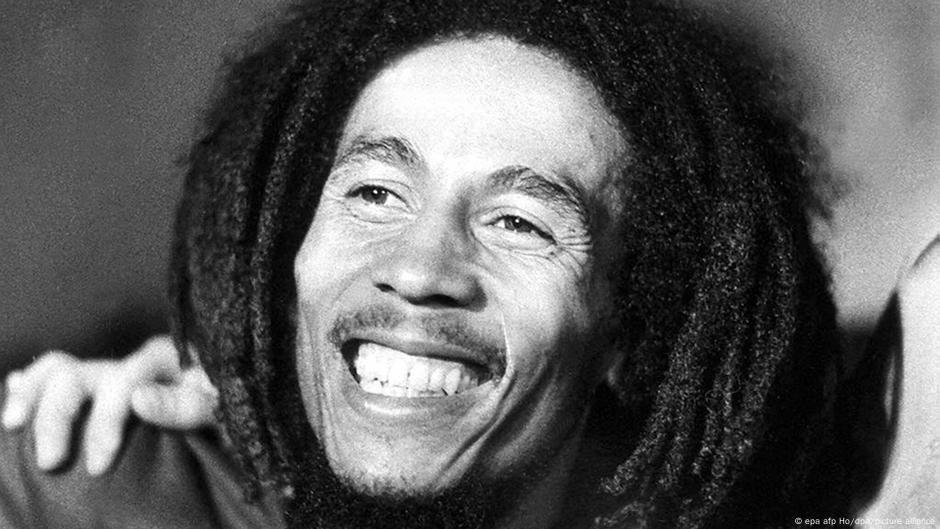
In June 1980, when Bob Marley performed before an audience of 8,000 at the Cologne sports arena, he was battling the cancer that ultimately led to his demise. Despite this, he retained his signature charm and magnetism, enchanting listeners as he delivered powerful renditions of "Redemption Song" along with some of his beloved hits.
Less than a year later, on May 11, 1981, Bob Marley passed away due to issues stemming from his health problems. melanoma He would be celebrating his 80th birthday on February 6, 2025.
Marley introduced reggae and its teachings to global audiences. His influence was such that he played a significant role in making the genre so renowned it was included in UNESCO's list of intangible cultural heritage. Cultural Heritage .
Indeed, Marley's music will likely be playing in reggae Pubs seem to be found in nearly every part of the globe even today. The enduring influence of the cherished Jamaican vocalist was likewise honored during these events. 2024 movie "Bob Marley: One Love," inspired by his life.

The political and spiritual themes of his music remain equally relevant against the backdrop of current societal upheavals.
A follower of Rastafari
Reggae has undoubtedly been shaped by Rastafari , the religious and political ideology that Bob Marley started exploring at the age of 22. This movement was comparatively new religion developed in Jamaica when Haile Selassie I was crowned Emperor of Ethiopia on November 2, 1930. A few years earlier, Jamaican activist Marcus Garvey had predicted the coronation of a powerful black king in Africa who would bring black liberation.
The Rastafari movement takes its name from Selassie's original name, Ras Tafari Makonnen. "Ras" means "prince" in Amharic, which is spoken in Ethiopia. Most believers saw Selassie as the second coming of Jesus Christ . Much of the Rastafarian faith is based on the Bible. Referencing the New Testament book of Revelation, Rastafarians await their return to Zion, the symbolic name for Africa used in the Bible. Tenets of the religion include living a life as close to nature as possible, and espousing the principles of love and peace, justice, unity and equality.
Rastafarianism stands against various types of political, cultural, and religious oppression and has become a global movement with adherents from different ethnicities around the world. It is believed that currently between 700,000 to one million individuals practice this faith.
Despite common misconceptions, smoking marijuana is not inherently linked to the Rastafarian faith, even though numerous adherents use it as a means to enhance awareness.
Bob Marley: The ambassador of reggae
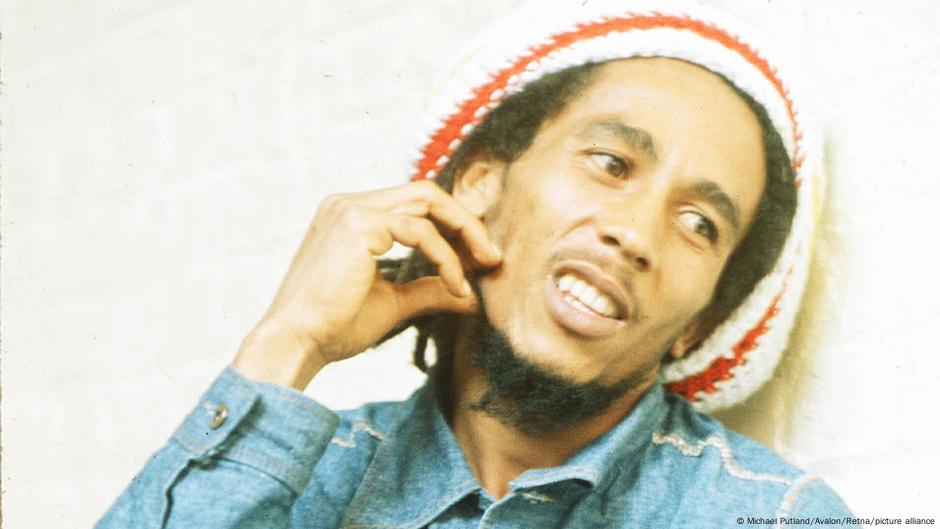
Bob Marley, recognized as the inaugural global icon hailing from one of the nations dubbed the Global South, propelled reggae—the music associated with the Rastafari movement—to worldwide fame.
Reggae emerged in Jamaica during the 1960s. This genre gained popularity due to its emphasis on social issues and connections to Rastafarian spirituality, which mirrored similar elements found in contemporary American folk-rock. Drawing influences from various styles including mento, ska, soul, and rocksteady, reggae quickly made an impact globally.
Actually, when Bob Marley and the Wailers When they came together in 1963, they started with ska and dancehall music. However, they later shifted towards reggae, and in 1973, their album "Catch a Fire" was released globally.
The upbeat rhythm guitar combined with the mesmerizing basslines proved perfect for disseminating uplifting messages of peace and love. Eric Clapton In 1974, when they covered "I Shot the Sheriff," Bob Marley and the Wailers found themselves thrust into the global limelight.
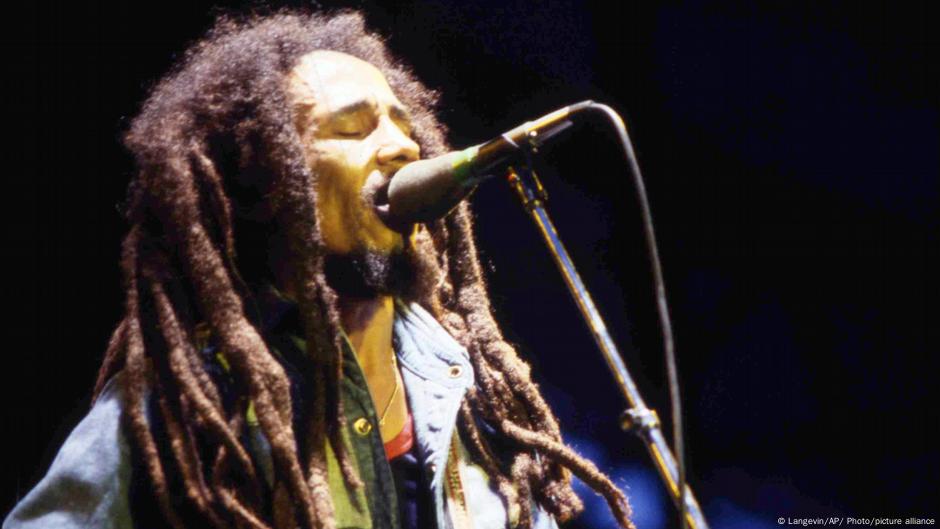
Songs of resistance
The spiritual essence of Rastafari frequently appears in Bob Marley’s music. Although his verses contain allusions to religion, they simultaneously portray the everyday challenges faced by marginalized communities and recount the tales of slavery and inequity. Consequently, numerous songs of his have come to symbolize defiance and the battle against suppression worldwide.
After visiting Haiti, where he witnessed the impoverished conditions of the locals, Bob Marley wrote 'Get Up, Stand Up.' Duvalier (1957-1986) dictatorship. The song urges individuals to stand up for their rights and rely on their own decisions. "Get Up, Stand Up" serves as an informal theme for the organization Amnesty International.
In his 1979 track titled "Zimbabwe," Marley urges Africans to free the nation from British colonialism. He performed this song during Zimbabwe’s independence festivities in 1980, where it took on the role of an informal national anthem for the newly freed country.
Marley's legacy: 'Redemption Song'
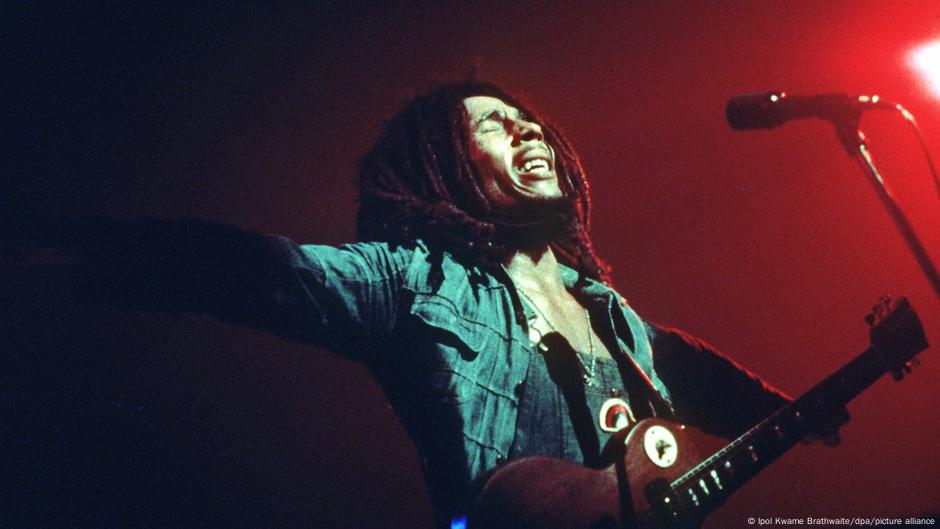
One of Bob Marley’s most renowned pieces, “Redemption Song,” marked a significant shift in style compared to much of his earlier work, prompting many to speculate whether he foresaw it as his final release before passing away—a sort of parting gift to humanity. The lyrics include a quote from the Rastafarian leader Marcus Garvey, who stated during a 1937 address: "None but ourselves can free our minds; emancipate yourselves from mental enslavement."
Indeed, Marley and his heritage persist, continuing to inspire hope across the globe.
This is a revised edition of the article that was initially published in German in February 2024.
Author: Silke Wünsch