Experts Warn: Get Ready for Pandemic as New Virus Spreads Across All 50 States

- DOCTOR'S WARNING: FATAL VIRAL OUTBREAK OF VICTORIAN-ERA DISEASE REPORTED
Top health professionals are cautioning that the United States faces the threat of yet another pandemic due to the uncontrolled spread of avian influenza on American farms.
Up until now, the H5N1 outbreak has impacted approximately 1,000 dairy cattle populations and led to over 70 human infections, marking the first recorded fatality.
Experts from the Global Virus Network (GVN) warn that the US poultry sector faces substantial threats, especially in regions characterized by intensive farming operations and inadequate adherence to personal protection measures.
In 2022, over 168 million birds in the United States have either perished or were slaughtered because of the avian influenza epidemic across America, leading to a dramatic surge in egg prices.
Even though direct person-to-person transmission hasn’t been seen so far, specialists warn that changes due to mutations or reassortment events—when two different viruses infect the same host and swap genetic segments—might increase this possibility.
The Global Health Agency is now calling on countries around the world to address the danger posed by H5N1 bird flu through enhanced monitoring initiatives and more rigorous biosafety measures.
The group additionally cautions that nations should ready themselves for the potential of person-to-person transmission to prevent a disorderly sequence of events akin to those seen previously. the initial stages of the COVID-19 pandemic .
Dr. Peter Palese, who serves as the director at the GVN and is a global authority on influenza research, states: "Efforts should concentrate on improving biosecurity practices in farming environments and raising awareness among the general population regarding the proper management of poultry items and the possible dangers linked to interacting with sick creatures."
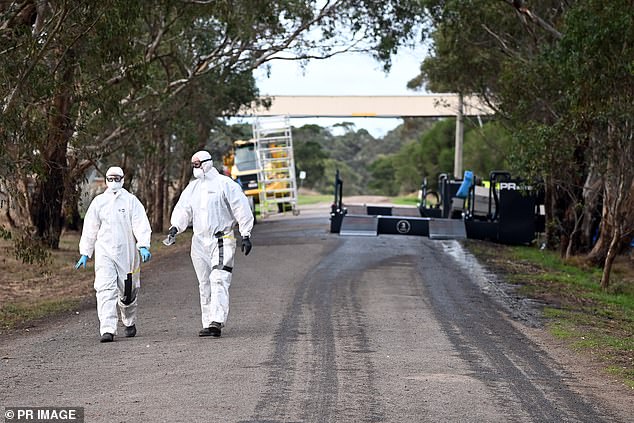
A colleague at GVN and an authority on animal viruses, Dr. Ab Osterhaus, suggests that a possible vaccine might also assist in resolving the crisis.
He stated: "Considering the increasing prevalence of H5N1 among mammals, the GVN urges immediate actions to comprehend and halt its spread in cattle populations via herd management practices and possible vaccinations."
'Enhancing oversight at points where animals and humans interact is essential, since the present monitoring activities are inadequate for shaping successful preventive measures.'
The Biden Administration granted Moderna a $590 million contract to develop an H5N1 avian influenza vaccine, though there were earlier indications this year that the new administration might withdraw that financial support.
The White House Office of Pandemic Preparedness and Response (OPPR), established post-COVID-19 to manage swift reactions to pandemics, has reportedly remained almost entirely understaffed and underfunded since the onset of the Trump administration.
Pandemic preparedness has now been shifted within the National Security Council, a move that critics worry may reduce transparency and limit public scrutiny.
The first US bird flu In January, reports indicated the death of an individual, described as Louisiana dying following hospitalization due to critical breathing issues.
Authorities stated that the individual was over 65 years old, suffered from pre-existing health conditions, and had interacted with both ill and deceased poultry within a private coop setting.
No additional information was provided. They additionally mentioned that a genetic analysis of the patient's infection indicated the involvement of birds. flu The virus changed within their system, potentially leading to a harsher disease.
As of March 2024, the United States has recorded 70 cases of avian influenza infections. However, these instances have generally resulted in mild illness. Most of those affected were farm workers who had direct contact with infected birds or cattle.
In two instances—an adult in Missouri and a child in California - Health authorities have yet to establish how they became infected with the virus.
Numerous specialists consider H5N1 as the foremost threat on their list of potential pandemics, owing to its extensive presence among animal populations and its quick rate of mutation.
As its presence in the environment expands, the likelihood of people being exposed to it and possibly contracting it also rises.
Dr. Marc Johnson, who is a virologist at the University of Missouri , recently commented on X: "This virus may not turn into a pandemic, but it’s putting in a significant effort, and it certainly has plenty of chances."

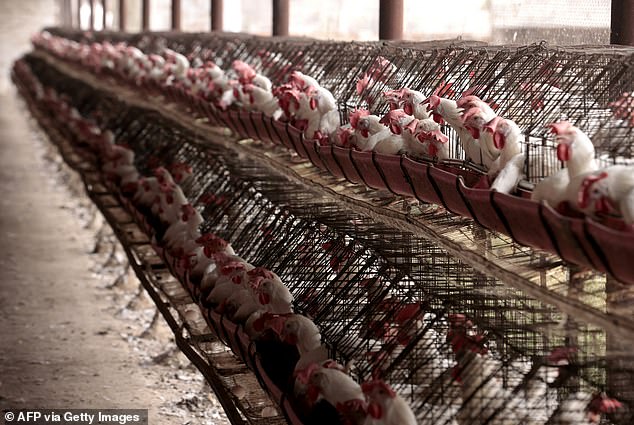
In total, data indicates that after the virus was first identified in the U.S. in January 2022, over 12,875 wild and domestic bird populations were affected.
After The virus reached cattle populations this year, being identified in 1,031 herds spanning 17 states, mostly concentrated in those areas. California and Colorado .
Seventy cases have now been identified in humans across 14 states so far this year, marking the highest number of instances recorded in the United States in at least twenty years. Prior to the ongoing outbreak, the previous human case of avian influenza occurred back in 1997.
No instances have been found where patients transmitted the illness to one another.
Nevertheless, the virus has been found in unpasteurized or "raw" milks, prompting the United States Department of Agriculture (USDA) to declare that all businesses dealing with raw milk must required to share samples for testing upon request.
Numerous specialists, such as authorities from the World Health Organization, have taken issue with how the United States handled the outbreak.
Specialists have characterized it as a pandemic "progressing at a sluggish pace." By the end of 2024, both the testing of cattle and individuals who had contact with infected cows remained optional.
Currently, compulsory testing applies solely to cattle being transported across state borders.
Instances of such cases have occasionally appeared in swine as well, raising concerns among scientists due to their ability to contract both human and avian influenza strains—potentially acting as ‘mixing vessels’ for a novel type of avian flu virus.
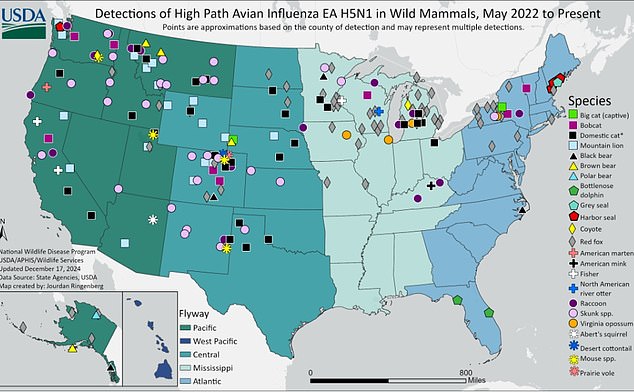
Since May 2022, over 400 non-avian wildlife species across the United States have reported infections, encompassing creatures such as red foxes, skunks, seals, and raccoons.
Specialists cautioned that these creatures could contract the virus by consuming remains of deceased birds affected by avian influenza.
Sewage monitoring for the virus has detected traces at 60 out of over 250 locations being tracked throughout the United States.
In both California and Iowa, over 80 percent of the samples have come back positive.
The United States already possesses approximately 20 million birds in reserve. flu Vaccines in their national stockpile, authorities claim, match well with the H5N1 virus.
It can also easily produce an additional 100 million units if needed.
Additionally, there are stocks of antiviral medications like oseltamivir (Tamiflu), which was administered to the most recent U.S. bird flu patient in Louisiana, ready for use.
The development of a bird flu vaccine for poultry continues, along with testing indicating that human antiviral medications are equally effective in treating infected cattle.
Read more