Maximize Hay Yield: How Many Bales Per Acre Can You Really Get?

Hay plays a crucial role as animal fodder globally, particularly within the dairy industry. As a hay producer gearing up for harvest, you might be pondering the anticipated output. Therefore, what factors should you take into account? Furthermore, how many bales of hay can you reasonably anticipate from each acre?
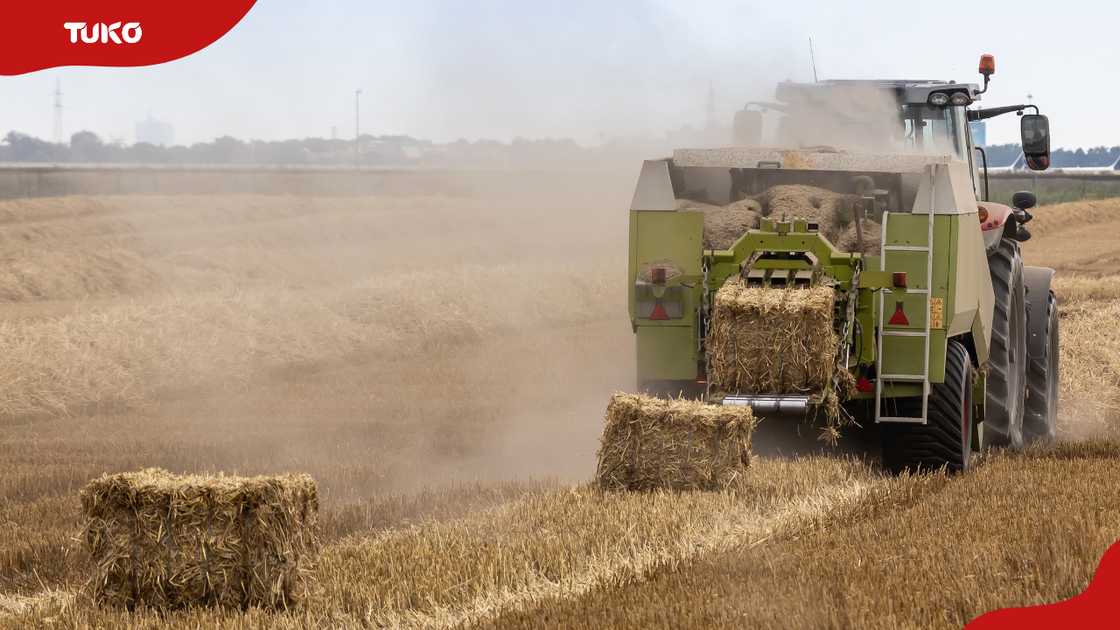
If you're considering getting into hay farming but are uncertain whether it will be profitable, start with thorough research to make sure you see a good return on investment. Factors like soil quality, choice of grass variety, climate conditions, and cultivation methods matter greatly. However, beyond these elements, what additional aspects should you ponder to optimize your hay production?
What is the average number of hay bales you can produce per acre?
As stated by Graduate Farmer, in Kenya, the output of hay farming yields between 200 to 300 bales per acre per harvest. Nevertheless, this number fluctuates based on various elements including the species of grass used, the richness of the soil, and climatic circumstances.
If circumstances turn unfavorable, with poor soil quality, water shortages, or unsuitable grass types, the amount of hay produced per acre may decrease considerably. Under these conditions, it would be prudent to expect yields ranging from approximately 100 to 150 bales per acre for each harvesting period (as seen in Kenya).
Do all hay bales have identical dimensions?
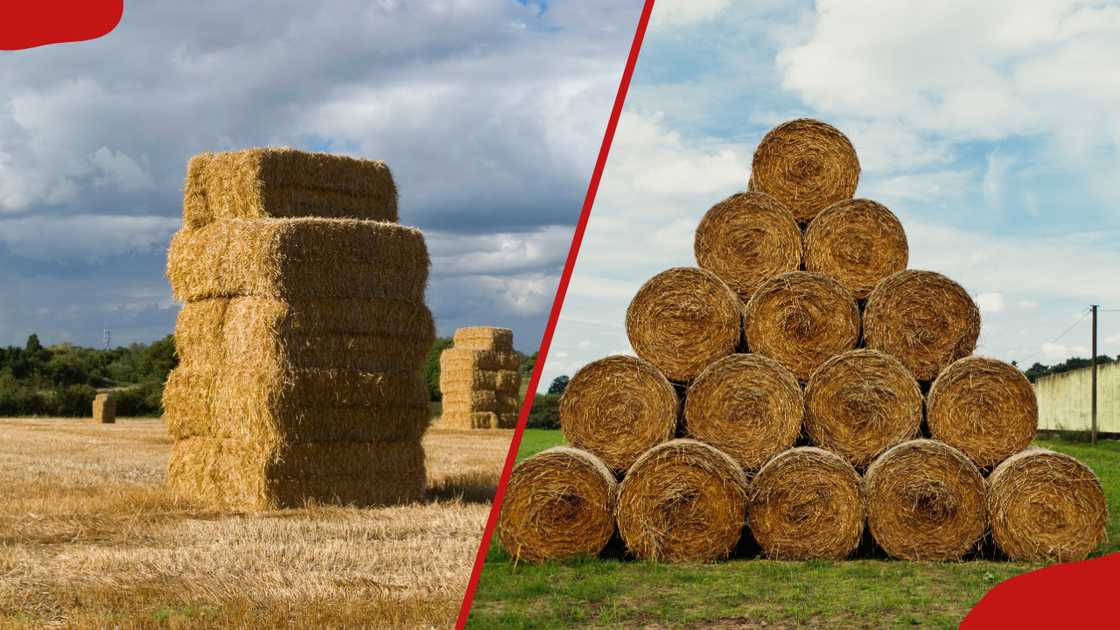
Bales of hay vary in size depending on the country or region. As an illustration, Smart Farmer Kenya specifies that the typical traditional two-strand hay bale ought to be 90 cm long, 45 cm wide, and 35 cm high, with a weight of at least 15 kilograms (an ideal range being between 18-22 kg under optimum circumstances).
Globally, the size of hay bales differs. According to Measuring Know-How, the typical average dimensions for hay bales usually are:
- Small hay bales: Begin with dimensions of 18 × 35 × 14 inches (46 × 89 × 36 centimeters) and a weight of approximately 50 pounds (23 kilograms).
- Big cylindrical hay rolls: Measure 5 feet wide by 6 feet in height (1.5 × 1.8 meters), with a weight of approximately 1,500 pounds (680 kilograms).
What is the number of small square bales produced per acre?
In Kenya, the typical output for small square bales is approximately 200 to 275 bales weighing 15 kilograms each per acre when cultivating Boma Rhodes grass. On an international scale, this figure ranges between 70 to 150 bales per acre with each bale being about 50 pounds or 22.6 kilograms, typically for Orchard grass.
What is the number of round bales produced per acre?
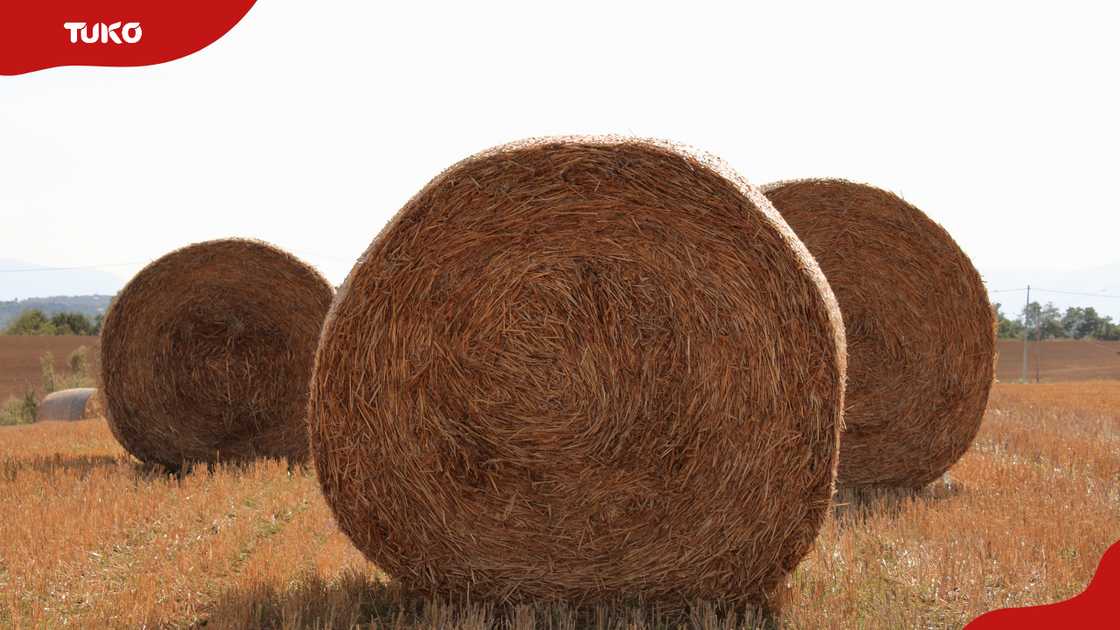
Large round bales are larger and usually favored for extensive farming activities. Generally, you might produce between 2 and 4 round bales per acre under optimal growing circumstances with a robust crop of hay.
When working with a typical 4x4 round baler, you might see a somewhat higher output. However, opting for bigger 5x5 round bales can lead to producing fewer bales per acre because of their larger dimensions.
What is the number of 5x5 round bales produced per acre?
Based on the hay's density and moisture level, a typical 5x5 round bale usually ranges from 800 to 1,200 pounds. For fields with these sizable bales, you might see approximately 1.5 to 2.5 bales produced per acre.
If you aim to maximize output, make sure to cut at the right time and prevent over-drying, since losing too much moisture can reduce the bale's compactness.
What is the number of hay bales produced per acre?
Another common phrase for round bales is "rolls of hay." The anticipated output can vary based on the bale dimensions. Typically, with regular 4x5 bales, you could produce approximately 2 to 3 rolls per acre.
What is the production rate of hay per acre?
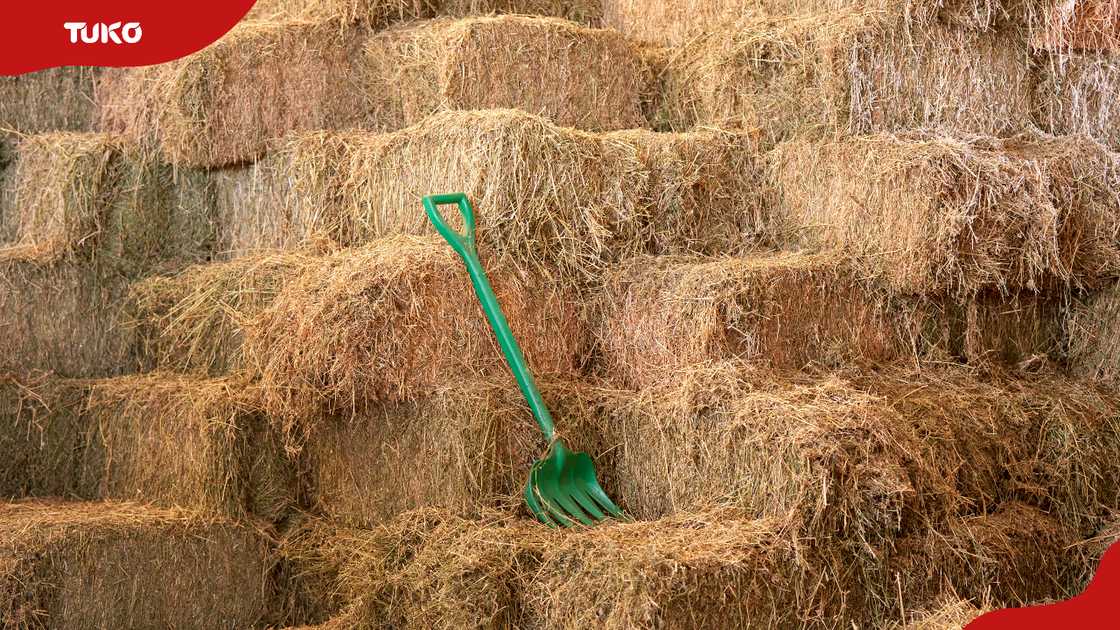
Three primary sizes of hay bales exist. Large round bales produce roughly five bales per acre, whereas large square bales result in around 40 bales per acre. Small square bales generate anywhere from 100 to 300 bales per acre.
What is the average number of hay bales produced per acre in Kenya?
In Kenya, hay producers can harvest anywhere from 200 to 300 bales per acre based on factors such as the variety of grass used, soil conditions, and agricultural techniques employed.
What is the typical number of bale produced per acre?
Regarding Boma Rhodes grass in Kenya, you generally anticipate producing anywhere from 200 to 300 bales of hay per acre, with each bale having an approximate weight of 15 kilograms. Conversely, in countries like the United States, Canada, Australia, Spain, and Italy, alfalfa hay—being a legume-type plant—can generate as many as 120 bales per acre. Meanwhile, orchard grass tends to produce roughly 20 to 60 bales per acre.
What method do you use for determining bales per acre?
To determine the number of bales per acre, you may utilize the subsequent formula provided by Build Wise Calculator:
The number of bales can be calculated using this formula: Number of bales = Field size (acres) × Yield per acre (tonnes) × 1000 / Bale weight (kilograms).
Here's a step-by-step explanation:
- Field size (acres): The overall size of the area where you're cutting the hay.
- Yield per acre (tonnes) The overall quantity of hay generated per acre, calculated in metric tons. Note that one metric ton is equivalent to 1000 kilograms.
- Bale weight (Kilograms): In this scenario, every Bale weighs 15 Kilograms.
If you have an area of 1 acre with a yield of 2 tonnes (or 2000 kilograms) per acre, the computation would look like this:
The number of bales equals 1 × 2 × 1000 / 15 ≈ 133 bales per acre.
Based on the scenario provided, you would yield roughly 133 bales per acre, with each bale weighing around 15 kilograms.
What is the profit potential for hay farming in Kenya?
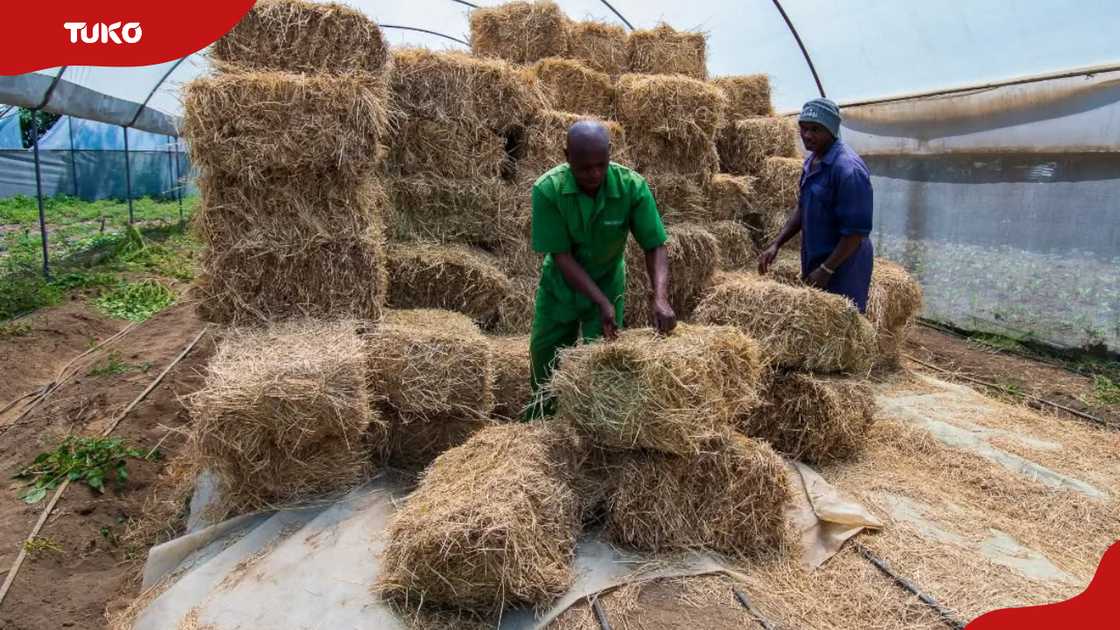
Kenyan hay cultivation has the potential for profit, allowing certain farmers to earn substantial incomes. Various elements may influence this profitability, such as the expense associated with financing, costs related to storing the hay, and market prices for hay.
What type of grass is most frequently utilized for hay production in Kenya?
In Kenya, the most commonly utilized grass for producing hay is Boma Rhodes grass due to its abundant output, superior nutrient content, and resilience during dry periods. Additionally, Napier grass, also referred to as elephant grass, is widely favored because of its rapid development rate and ability to thrive under different environmental settings.
Lucerne (alfalfa) stands as the most frequently utilized legume for producing hay. Owing to its substantial protein levels and ease of digestion, Lucerne hay is particularly well-suited for nourishing dairy cows, horses, and various types of farm animals.
Final word
Now that you understand the number of hay bales per acre you can produce, it’s crucial to ensure optimal results by harvesting at the correct moment, maintaining fertile soil, drying the hay appropriately, and keeping your machinery in good condition. Additionally, monitoring the weather conditions and adequately readying the fields will significantly impact your yields.
Are you seeking detailed insights into top agriculture courses available in Kenya?.co.ke has shared an insightful piece outlining different agricultural disciplines one can pursue in the country.
Agriculture is a highly sought-after field of study in Kenya, with various educational institutions providing courses at multiple levels. Whether your interest lies in dairy technology, sustainable farming practices, or managing agricultural businesses, there are plenty of choices available. For further details, consider reading the article.